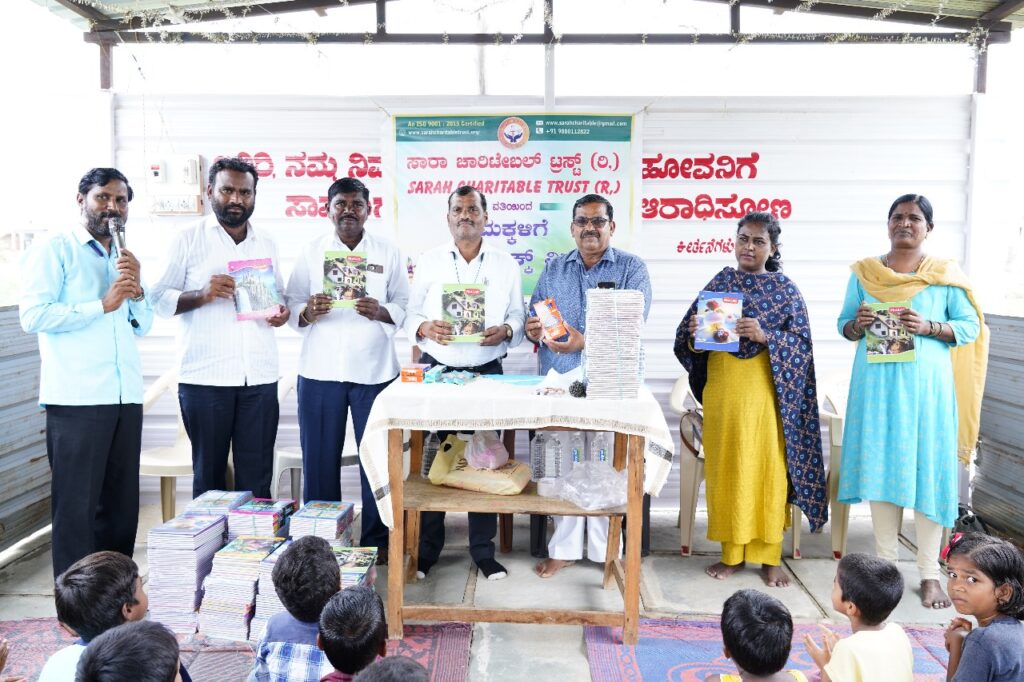
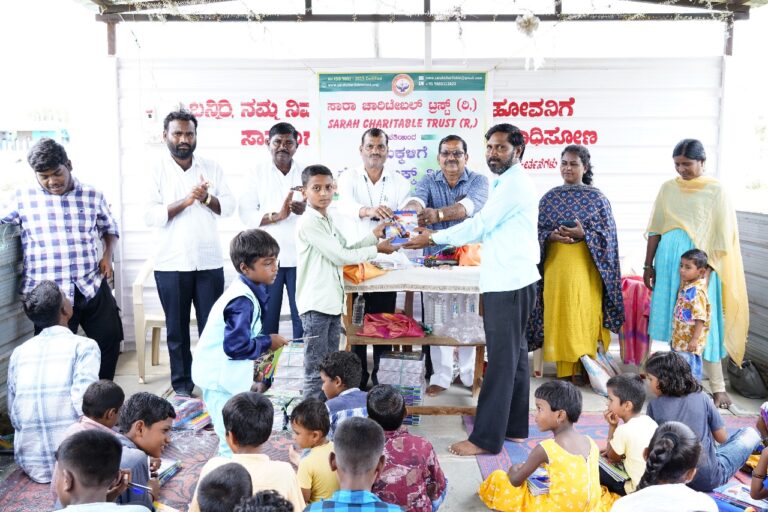
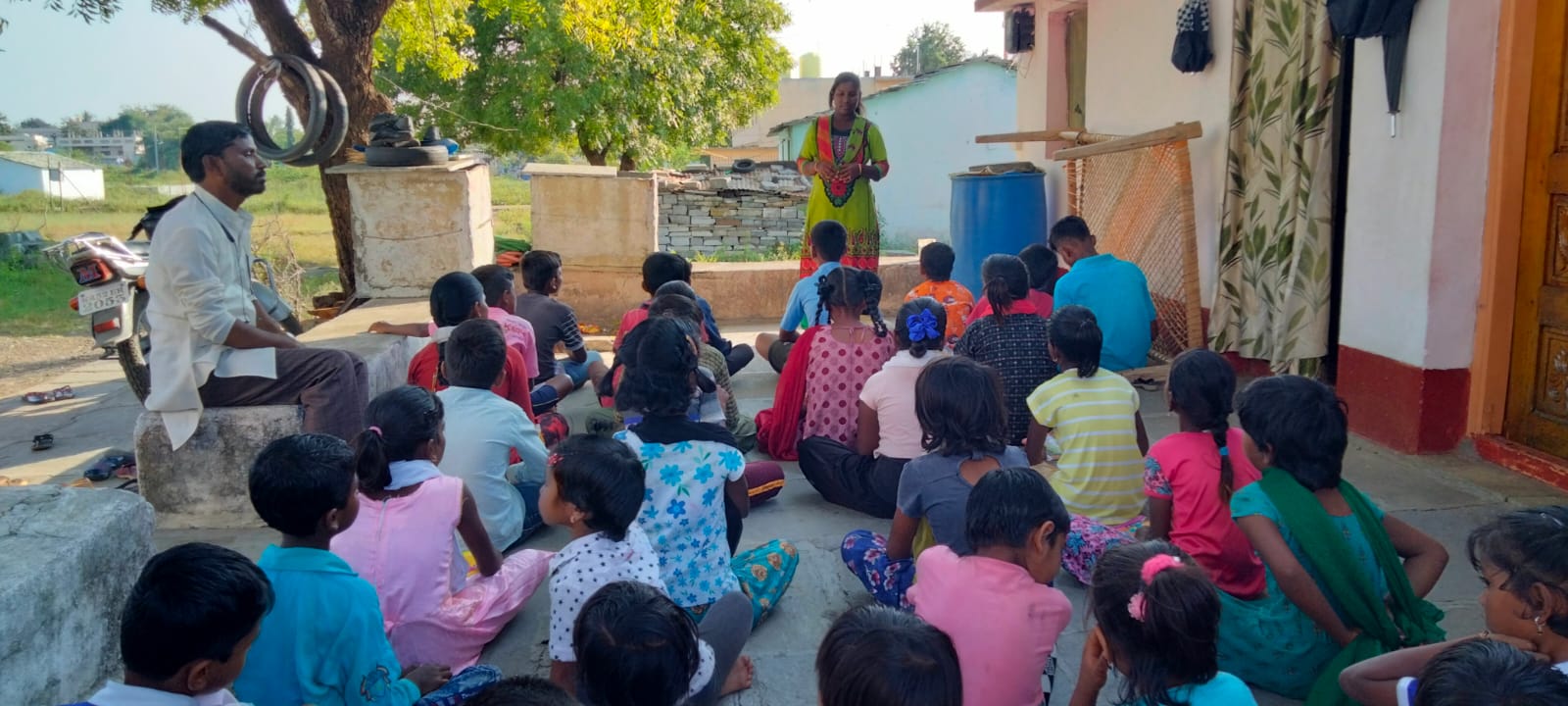
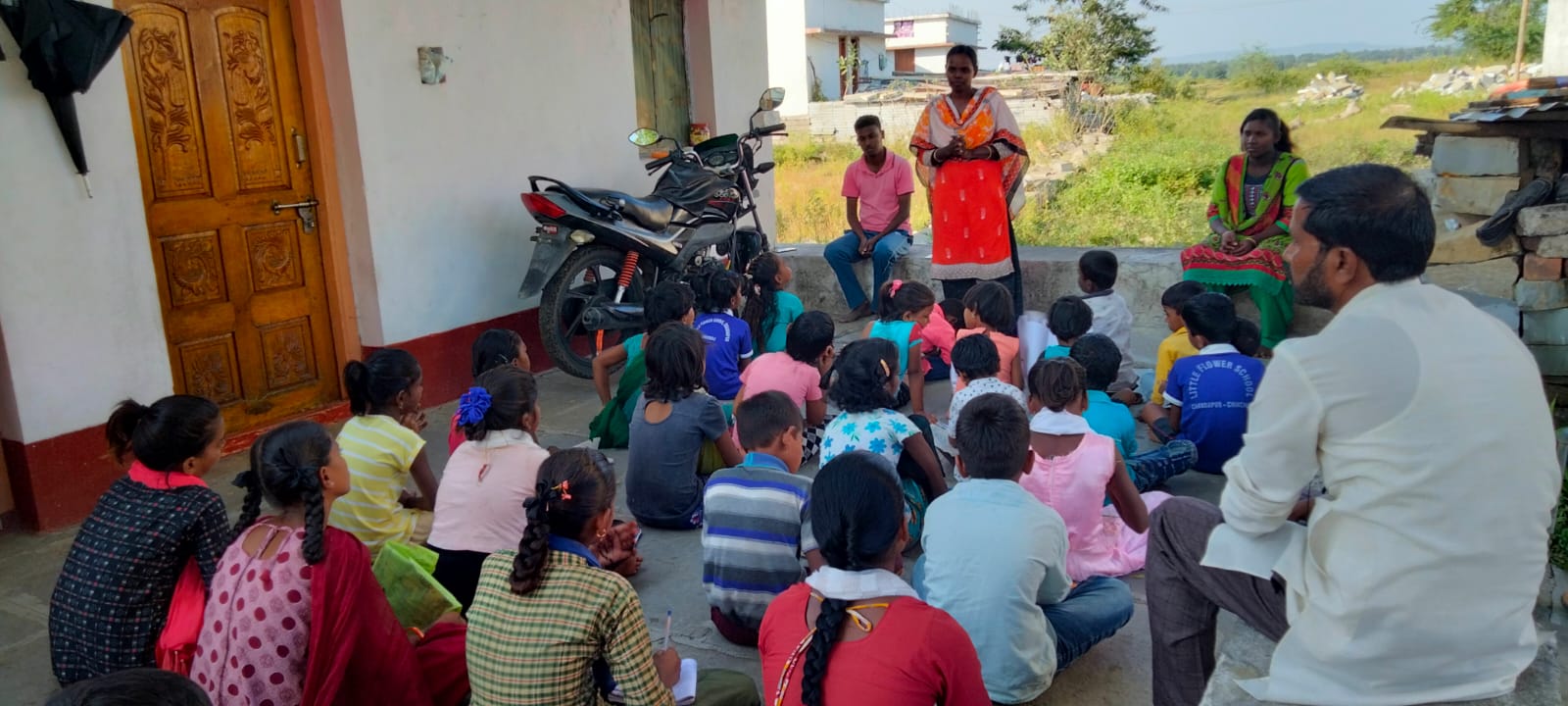
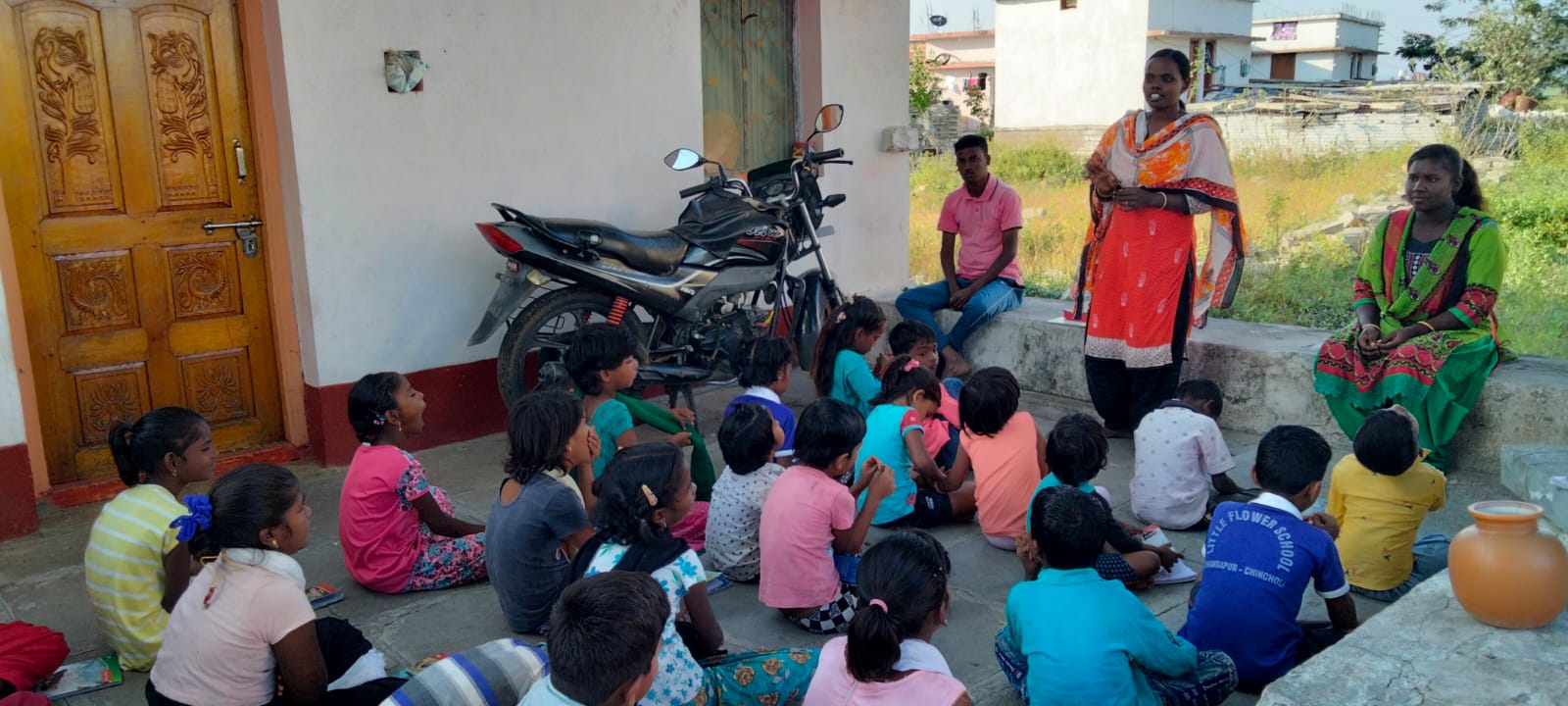
Sarah Charitable Trust is a faith-based non-profit organization committed to transforming lives and building stronger communities. Established with the vision of serving humanity through love, compassion, and service, the Trust works across multiple sectors including education, healthcare, rural development, agriculture, and community empowerment.
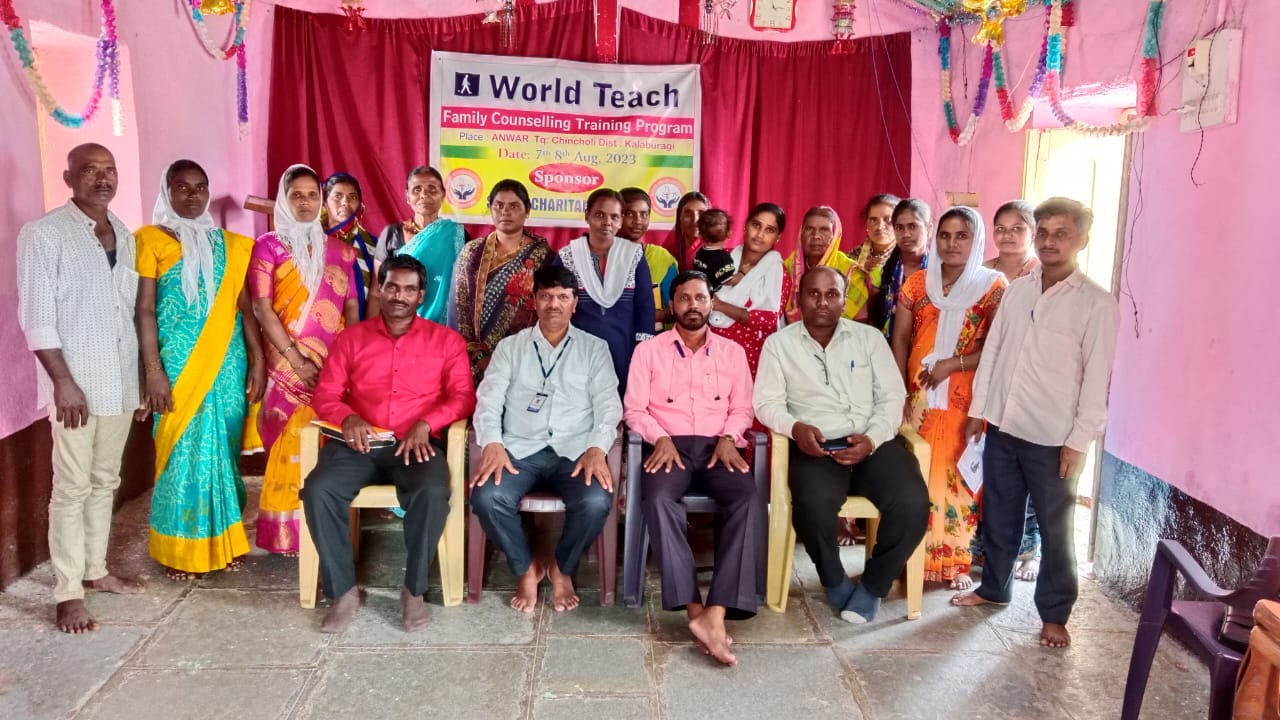
We believe in holistic development—addressing the physical, spiritual, social, and economic needs of individuals and communities. Our initiatives range from church plantation and ministry to providing shelter for orphans, conducting health camps, spreading agricultural awareness, promoting environmental protection through tree plantation, and advancing women and youth empowerment through training and skill development.
Sarah Charitable Trust is deeply committed to spiritual growth by supporting church plantation, ministry outreach, and faith-based programs. We aim to nurture values of compassion, peace, and service, while strengthening community bonds through moral and spiritual guidance.
Orphan Care & Children’s Homes
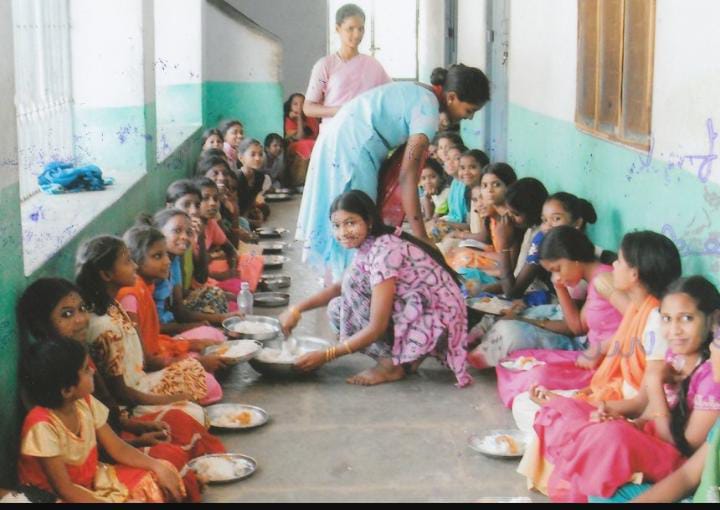
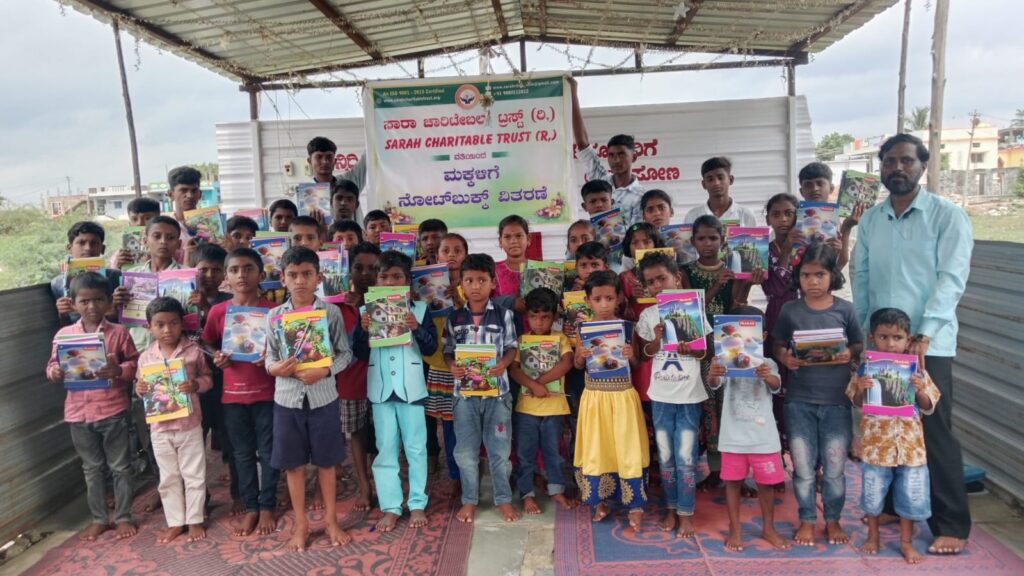
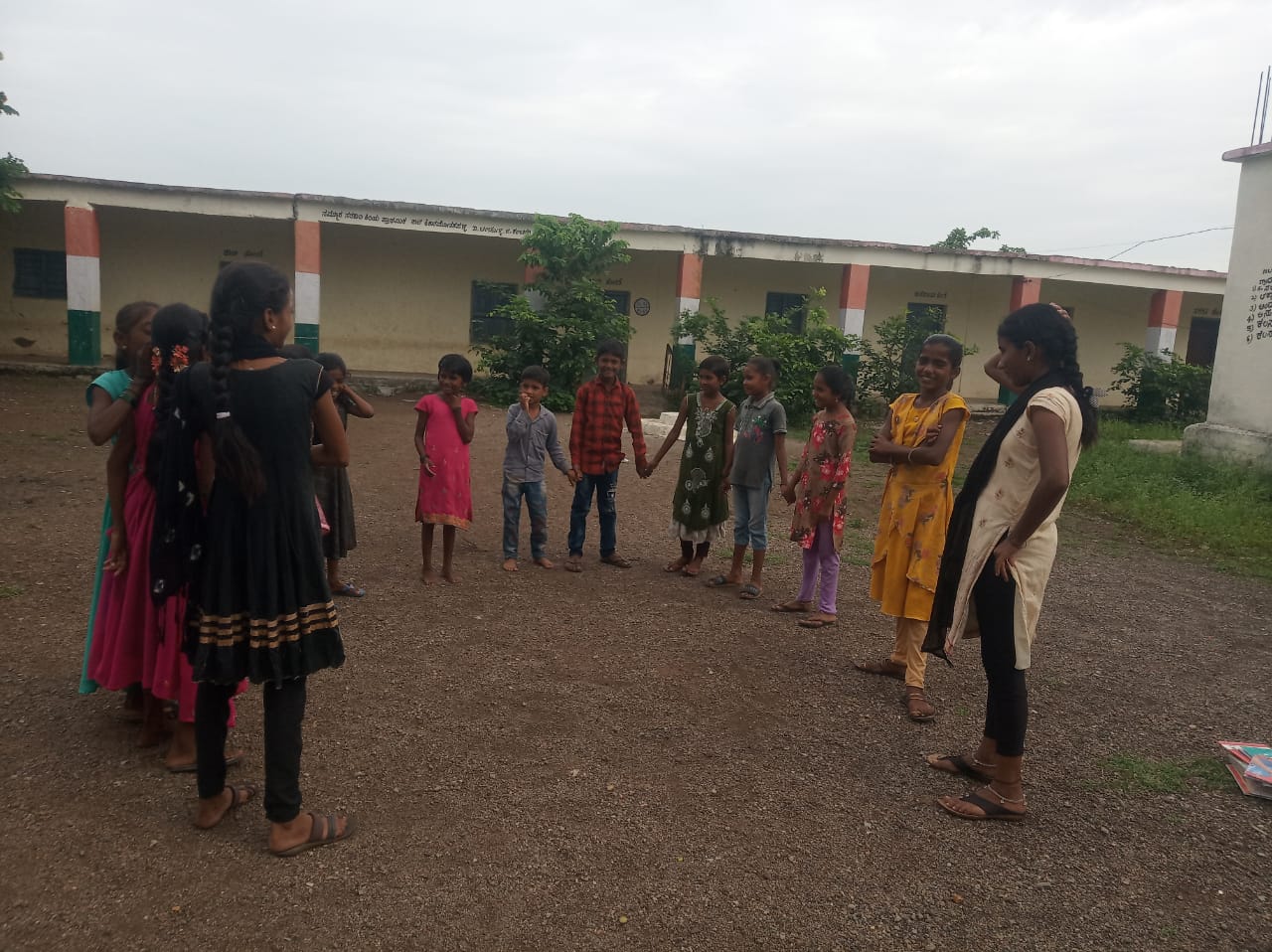
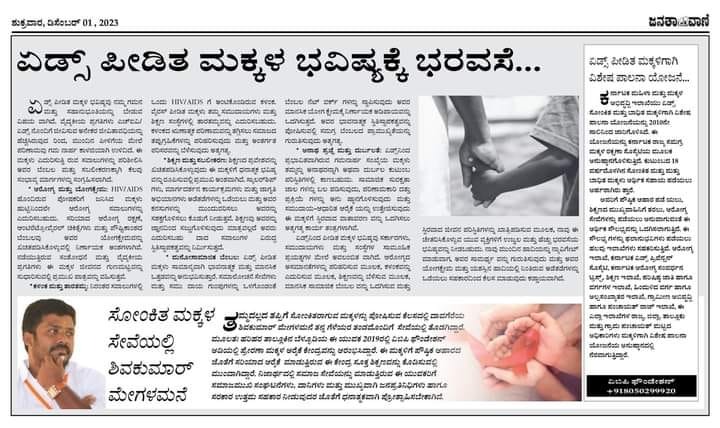
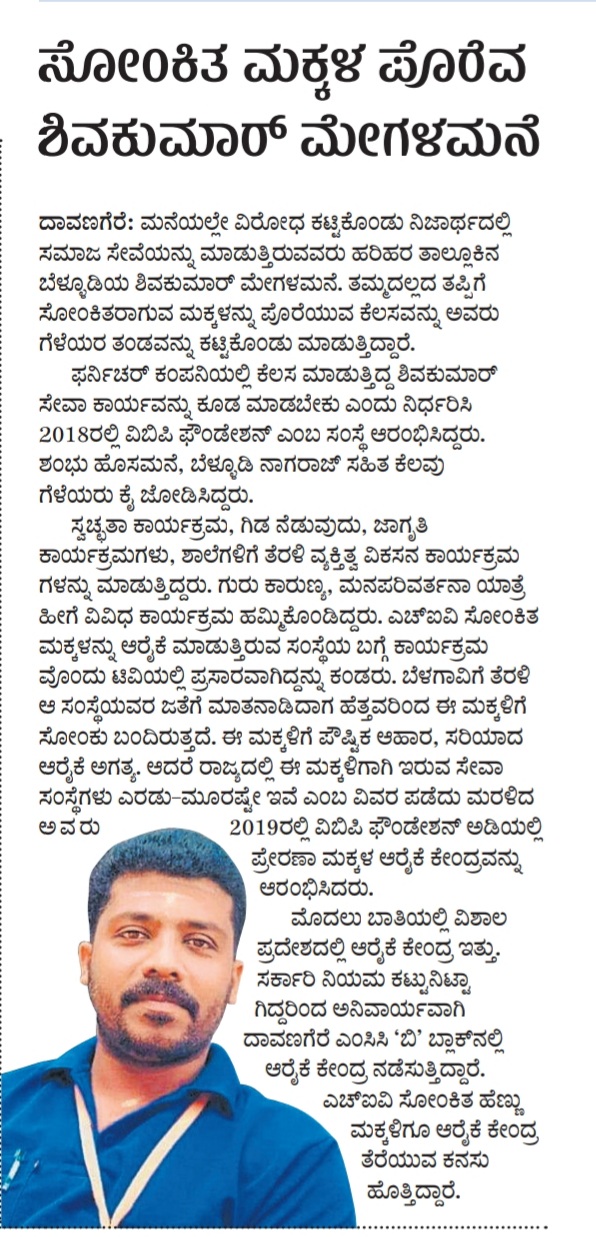
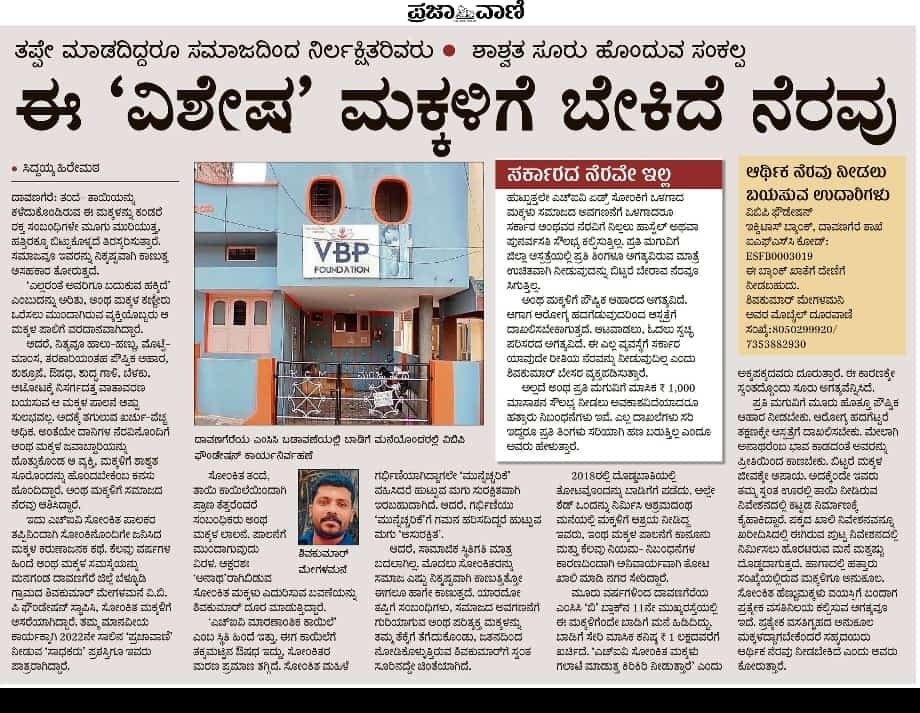
We provide shelter, education, nutrition, and emotional support to orphaned and underprivileged children. Our goal is to create a safe, loving environment where children can grow into confident, educated, and responsible citizens.
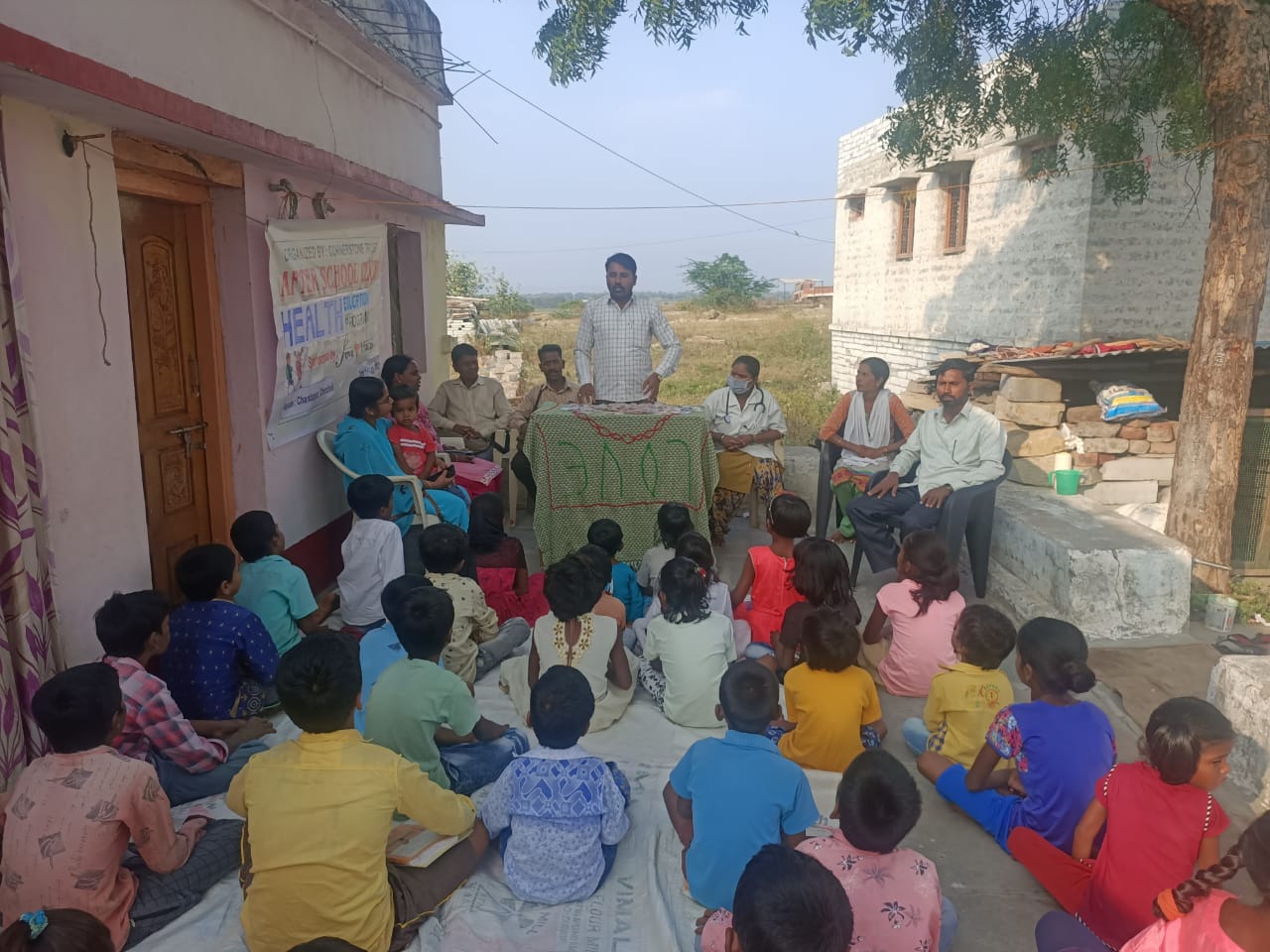
Health Camps & Medical Support
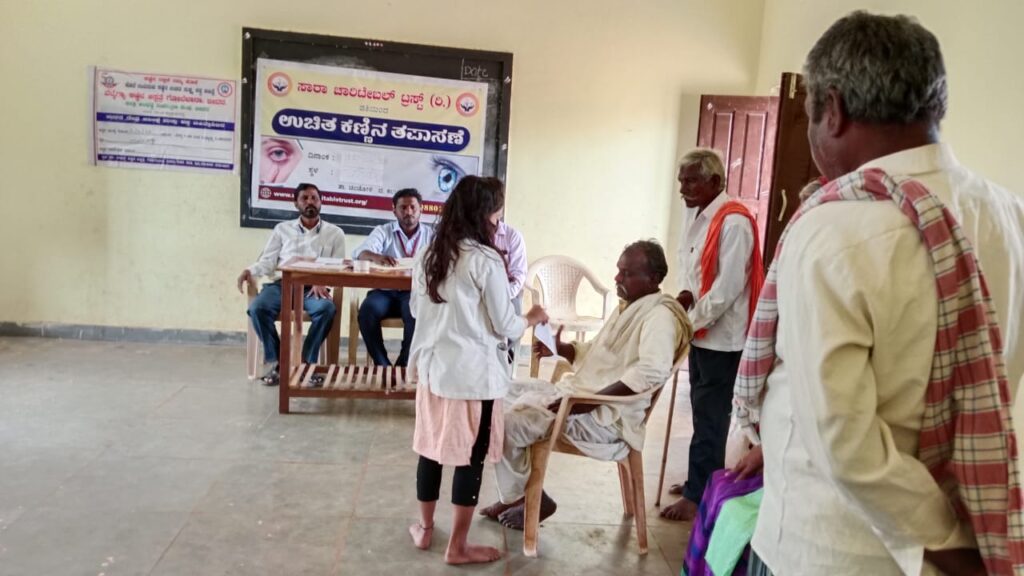
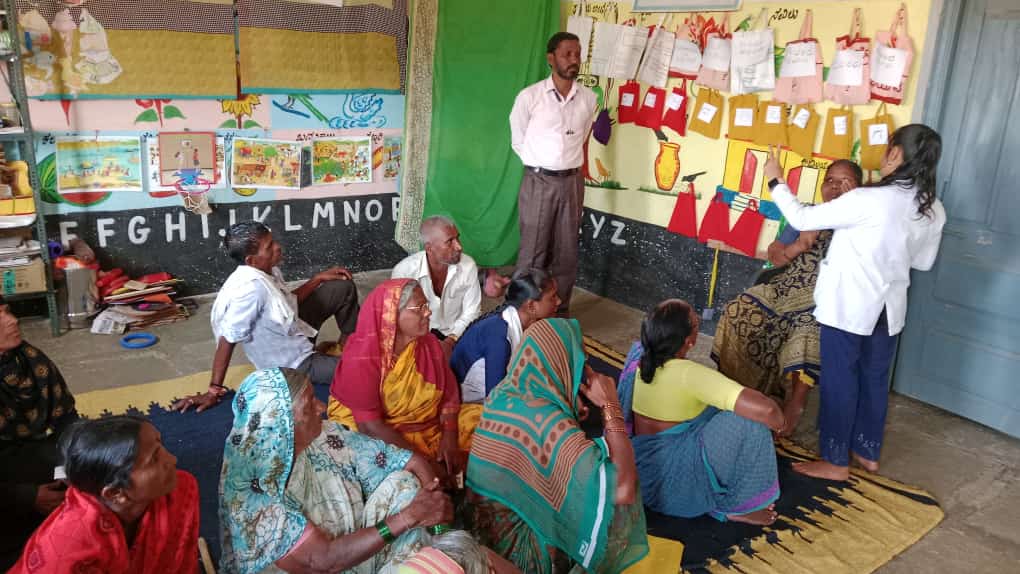
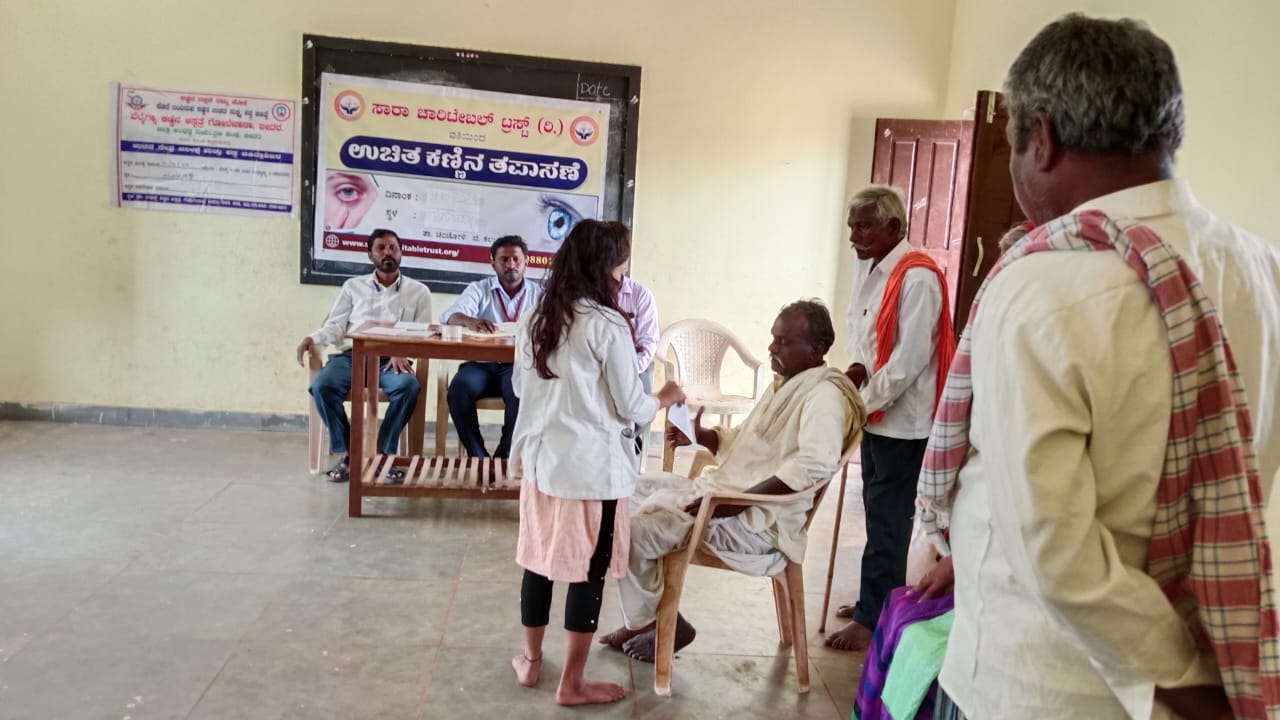
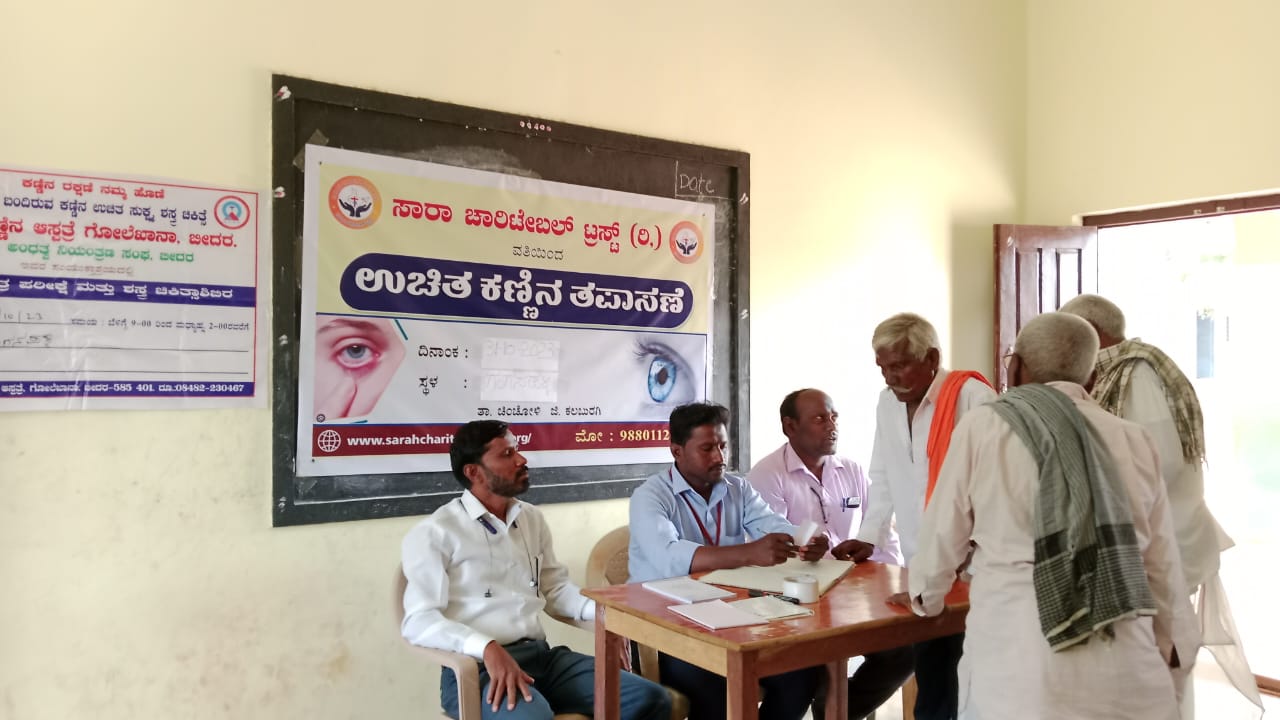
The Trust regularly organizes free medical camps, health check-ups, and awareness programs in rural and underserved areas. These initiatives help people access essential healthcare services, preventive measures, and health education.
Agricultural Awareness & Farmer Support
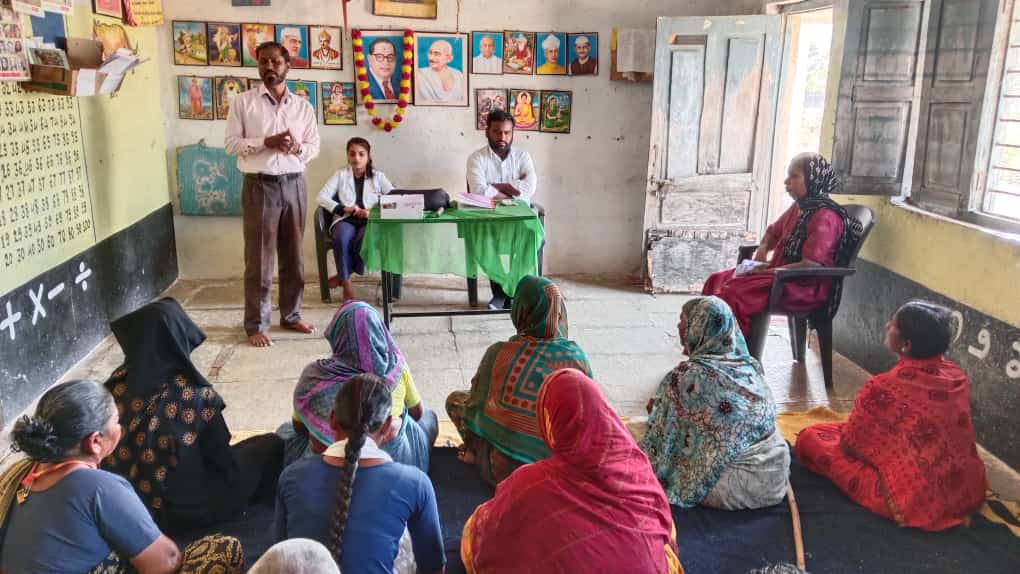
Recognizing the importance of agriculture, we promote sustainable farming practices, modern techniques, and awareness programs to empower farmers. By guiding rural communities, we work toward better productivity, food security, and income generation.
Tree Plantation & Environmental Protection
Environmental conservation is at the heart of our mission. We conduct large-scale tree plantation drives, promote eco-awareness, and encourage the community to adopt green practices to protect nature for future generations.
Rural Development
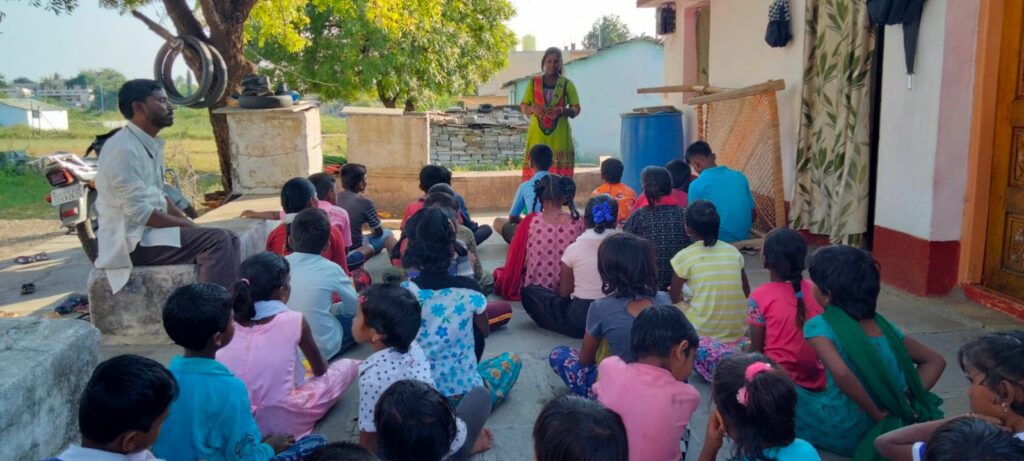
Through various initiatives, we work toward the holistic development of rural areas. This includes improving infrastructure, sanitation, education, and livelihood opportunities, enabling villages to progress socially and economically.